Uneven Skin Texture: 7 Common Causes + What You Can Do About

Have you ever looked at your skin and thought, “Why doesn’t it look as smooth as it used to?” Uneven skin texture is incredibly common. Your skin may feel rough or bumpy, pores may appear more noticeable, makeup may not sit as smoothly, or you may notice fine lines and old acne marks becoming more visible.
And while good skincare can make a big difference, sometimes uneven texture is caused by changes happening deeper within the skin. The first step is understanding why your skin texture has changed.
7 common causes of uneven skin texture

DEAD SKIN CELL BUILDUP
ENLARGED OR CONGESTED PORES
ENLARGED OR CONGESTED PORES
Your skin naturally sheds dead cells, but sometimes those cells accumulate on the surface. This buildup can leave skin looking dull, rough and uneven and may make skincare and makeup feel like they aren't sitting quite right.
What can help at home?
Gentle exfoliation can help remove excess surface buildup. Depending on your skin, ingredien
Your skin naturally sheds dead cells, but sometimes those cells accumulate on the surface. This buildup can leave skin looking dull, rough and uneven and may make skincare and makeup feel like they aren't sitting quite right.
What can help at home?
Gentle exfoliation can help remove excess surface buildup. Depending on your skin, ingredients such as lactic acid, glycolic acid or salicylic acid may be helpful. More isn't necessarily better. Over-exfoliating can damage your skin barrier and actually make texture look worse.
ENLARGED OR CONGESTED PORES
ENLARGED OR CONGESTED PORES
ENLARGED OR CONGESTED PORES
Pores are a normal part of your skin—you can't eliminate them. However, excess oil, dead skin cells and congestion can make them appear larger and contribute to an uneven-looking surface. Pores may also become more noticeable as skin loses some of its firmness and elasticity with age.
What can help at home?
Salicylic acid can be helpful fo
Pores are a normal part of your skin—you can't eliminate them. However, excess oil, dead skin cells and congestion can make them appear larger and contribute to an uneven-looking surface. Pores may also become more noticeable as skin loses some of its firmness and elasticity with age.
What can help at home?
Salicylic acid can be helpful for oily or congestion-prone skin because it works inside the pores. Niacinamide may also help support the skin barrier and improve the overall appearance of the skin. And don't forget consistent cleansing—especially at the end of the day.
ACNE & ACNE SCARRING
ENLARGED OR CONGESTED PORES
COLLAGEN LOSS & AGING
Active breakouts can temporarily create uneven texture, but previous acne can leave behind longer-lasting changes. Indented acne scars develop when the healing process results in a loss or alteration of collagen within the skin. Unlike surface dryness or dead skin buildup, this type of texture generally can't be corrected simply by exfol
Active breakouts can temporarily create uneven texture, but previous acne can leave behind longer-lasting changes. Indented acne scars develop when the healing process results in a loss or alteration of collagen within the skin. Unlike surface dryness or dead skin buildup, this type of texture generally can't be corrected simply by exfoliating more.
What can help at home?
A consistent routine can help prevent additional breakouts and support overall skin health. Depending on your skin, ingredients such as salicylic acid, retinoids and niacinamide may be helpful. However, established indented acne scars often benefit from professional treatments designed to stimulate the skin's natural renewal and collagen response.
COLLAGEN LOSS & AGING
COLLAGEN LOSS & AGING
COLLAGEN LOSS & AGING
Collagen provides much of the underlying structure and support that helps skin look smooth and firm. As we age, natural collagen production gradually declines. Over time, this can contribute to:
• Fine lines and wrinkles • Less firmness
• More noticeable pores • Crepey-looking skin • Changes in overall skin texture
• Hormonal changes during
Collagen provides much of the underlying structure and support that helps skin look smooth and firm. As we age, natural collagen production gradually declines. Over time, this can contribute to:
• Fine lines and wrinkles • Less firmness
• More noticeable pores • Crepey-looking skin • Changes in overall skin texture
• Hormonal changes during perimenopause and menopause can also influence the skin's hydration, elasticity and collagen support.
What can help at home?
One of the most important things you can do is protect the collagen you already have. Daily sunscreen is essential.
Depending on your skin, ingredients such as retinoids, vitamin C, peptides and antioxidants can also be incorporated into a well-designed skincare routine.
DEHYDRATION & DRYNESS
COLLAGEN LOSS & AGING
DEHYDRATION & DRYNESS
When skin lacks water or natural oils, the surface can become rough and fine lines may appear more noticeable. Dehydrated skin can also look dull, tight or crepey rather than smooth and plump.
What can help at home?
Focus on hydration and barrier support with:
• A gentle cleanser • Daily SPF
• Hyaluronic acid or glycerin
• Ceramides • A goo
When skin lacks water or natural oils, the surface can become rough and fine lines may appear more noticeable. Dehydrated skin can also look dull, tight or crepey rather than smooth and plump.
What can help at home?
Focus on hydration and barrier support with:
• A gentle cleanser • Daily SPF
• Hyaluronic acid or glycerin
• Ceramides • A good moisturizer suited to your skin
If your skin feels tight or irritated, simplifying your routine may be more beneficial than adding additional active ingredients.
SUN DAMAGE
COLLAGEN LOSS & AGING
DEHYDRATION & DRYNESS
Years of UV exposure can gradually affect collagen, elastin and the skin's normal renewal process. The result may be a combination of rough texture, pigmentation, fine lines, uneven tone and reduced firmness. And sun damage is cumulative—which makes prevention incredibly important.
What can help at home?
Wear a broad-spectrum SPF 30 or high
Years of UV exposure can gradually affect collagen, elastin and the skin's normal renewal process. The result may be a combination of rough texture, pigmentation, fine lines, uneven tone and reduced firmness. And sun damage is cumulative—which makes prevention incredibly important.
What can help at home?
Wear a broad-spectrum SPF 30 or higher every day, even when it isn't particularly sunny outside. Antioxidants such as vitamin C can also complement sunscreen by helping protect the skin from environmental oxidative stress.
A COMPROMISED SKIN BARRIER
A COMPROMISED SKIN BARRIER
A COMPROMISED SKIN BARRIER
Sometimes uneven texture isn't a sign that your skin needs more exfoliation.
It may actually need less.
Using too many acids, scrubs, retinoids or aggressive treatments can disrupt your protective skin barrier.
Your skin may become:
• Rough • Flaky • Tight • Red
• Sensitive • Irritated
What can help at home?
Give your skin a break from aggressi
Sometimes uneven texture isn't a sign that your skin needs more exfoliation.
It may actually need less.
Using too many acids, scrubs, retinoids or aggressive treatments can disrupt your protective skin barrier.
Your skin may become:
• Rough • Flaky • Tight • Red
• Sensitive • Irritated
What can help at home?
Give your skin a break from aggressive active ingredients and focus on the basics: Gentle cleansing + hydration + moisturizer + SPF. Once the barrier is healthy again, active ingredients can gradually be reintroduced if appropriate.
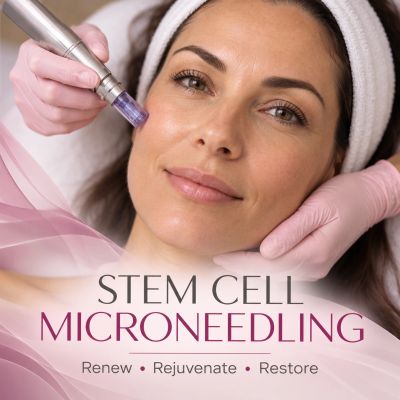
STEM CELL MICRONEEDLING FOR SKIN TEXTURE
At Forever Young Beauty, Stem Cell MicroNeedling is designed to support your skin's natural renewal process while targeting concerns such as uneven texture, fine lines and the appearance of acne scarring. MicroNeedling creates controlled microchannels within the skin. This controlled process triggers the skin's natural healing response and supports the production and remodeling of collagen and elastin. Rather than simply exfoliating the surface, MicroNeedling works by encouraging renewal within the skin.
It may help improve the appearance of:
• Uneven or rough texture
• Acne scars
• Enlarged-looking pores
• Fine lines and wrinkles
• Loss of firmness
• Dull or aging-looking skin
Because collagen remodeling happens gradually, improvements develop over time rather than overnight. Depending on your skin concerns and goals, a series of treatments may be recommended.