Does Sugar Cause Wrinkles and Aging Skin?

We hear a lot about how sugar can affect our weight, energy levels and overall health—but what about our skin? Can eating too much sugar actually contribute to wrinkles and premature skin aging?
There is a connection, and much of it comes down to a natural process in the body called glycation. While enjoying something sweet occasionally isn't going to suddenly age your skin, consistently consuming a diet high in added sugars and refined carbohydrates may contribute to processes that affect collagen, elastin and the overall appearance of your skin over time.
What Is Glycation?
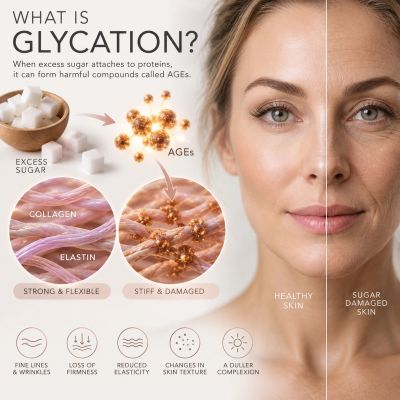
Glycation occurs when excess sugars in the bloodstream attach to proteins or fats. This process can eventually create compounds known as advanced glycation end products, commonly referred to as AGEs. Why does this matter when it comes to your skin?
Two of the most important proteins responsible for keeping skin firm, smooth and resilient are collagen and elastin. Collagen provides structure and firmness, while elastin helps the skin stretch and return to its original shape. As AGEs accumulate, they can affect the structure and function of these proteins. Over time, this may contribute to collagen becoming stiffer and less flexible, making some of the visible signs of aging more noticeable.
- Fine lines and wrinkles
- Loss of firmness
- Reduced elasticity
- Changes in skin texture
- A duller-looking complexion
Glycation is only one piece of the aging puzzle. Genetics, hormones, sun exposure, smoking, stress, sleep, nutrition and your skincare routine can all influence how your skin ages.
It's Not Just the Sugar Bowl
When we think about reducing sugar, obvious foods such as candy, desserts and sugary drinks usually come to mind first. But added sugars can be hiding in many everyday foods, including:
- Flavoured yogurt
- Granola and snack bars
- Breakfast cereals
- Sauces and salad dressings
- Sweetened coffee drinks
- Baked goods
- Some breads and packaged foods
- Alcoholic beverages and cocktails
Refined carbohydrates can also cause blood glucose to rise relatively quickly, which is why looking at your overall eating pattern can be more helpful than focusing exclusively on desserts. Reading nutrition labels is one of the easiest ways to become more aware of how much added sugar you're consuming.

Sugar, Inflammation & Breakouts
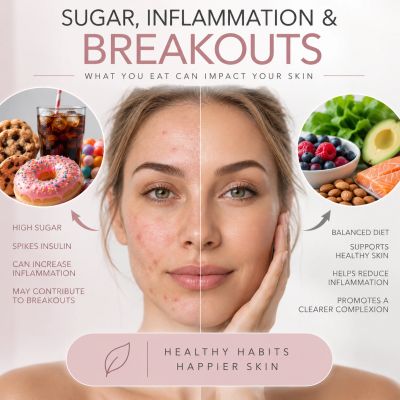
The relationship between diet and skin is complex, and everyone's skin responds differently. However, research has suggested that high-glycemic dietary patterns may be associated with acne in some people. Rapid increases in blood glucose can affect insulin and other hormonal pathways involved in inflammation and oil production.
This doesn't mean eating a cookie automatically causes a breakout. Instead, think about the bigger picture. A balanced diet, appropriate skincare and healthy lifestyle habits can all work together to support healthier-looking skin.
How to Reduce the Effects of Glycation & Support Healthy Ski

1. Reduce Added Sugars
2. Choose More Whole Foods
2. Choose More Whole Foods
Start by reducing foods and beverages containing large amounts of added sugar.
Pay particular attention to drinks, packaged snacks and foods marketed as "healthy," as they can sometimes contain surprisingly high amounts of added sugar.
2. Choose More Whole Foods
2. Choose More Whole Foods
2. Choose More Whole Foods
Build meals around nutrient-dense foods such as:
Colourful vegetables
Berries and other whole fruits
Nuts and seeds
Legumes
Whole grains
Lean proteins
Fish
Avocado
Olive oil
These foods provide vitamins, minerals, healthy fats, protein, fibre and antioxidants that support overall health and healthy skin.
Antioxidants in Your Diet
2. Choose More Whole Foods
4. Add Antioxidants to Your Skincare Routine
Antioxidants help protect cells against oxidative stress. Colourful fruits and vegetables are excellent sources, including berries, leafy greens, peppers, broccoli and other brightly coloured produce.
Rather than relying on one particular "anti-aging food," aim for variety.
4. Add Antioxidants to Your Skincare Routine
4. Add Antioxidants to Your Skincare Routine
4. Add Antioxidants to Your Skincare Routine
Your skincare routine can complement a healthy diet. Ingredients such as vitamin C are popular in skincare because of their antioxidant properties and their role in supporting collagen production.
Other beneficial ingredients may include vitamin E, niacinamide and other professionally recommended antioxidants. The best products will depend on your individual skin type, sensitivity and concerns.
5. Don't Forget Protein
4. Add Antioxidants to Your Skincare Routine
6. Protect Your Skin From the Sun
Collagen is a protein, and adequate dietary protein provides amino acids the body uses for many different functions, including building and repairing tissues.
Fish, poultry, meat, legumes, nuts, seeds and other protein-rich foods can all contribute to a balanced diet.
6. Protect Your Skin From the Sun
4. Add Antioxidants to Your Skincare Routine
6. Protect Your Skin From the Sun
If you're concerned about premature aging, this is one habit you don't want to overlook. UV exposure is one of the biggest external contributors to premature skin aging.
Daily broad-spectrum sunscreen, protective clothing and avoiding excessive sun exposure can help protect existing collagen and reduce the development of sun-related fine lines, pigmentation and uneven texture.
7. Build a Consistent Skincare Routine
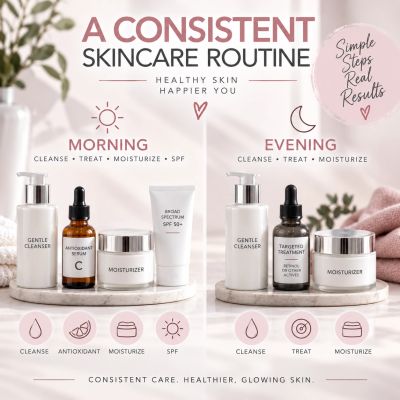
You don't necessarily need a complicated routine. A good foundation generally includes:
Morning: Gentle cleanse → antioxidant serum → moisturizer → broad-spectrum SPF
Evening: Cleanse → targeted treatment products → moisturizer
Depending on your skin, professionally recommended ingredients such as retinoids or retinol may also help improve the appearance of fine lines, uneven texture and other signs of photoaging.